





Cellular PVC Sheet 4′ x 8′ x 3/4″ — Woodgrain / Smooth, White
$179.00
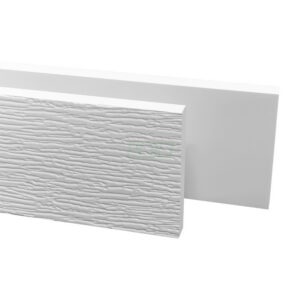
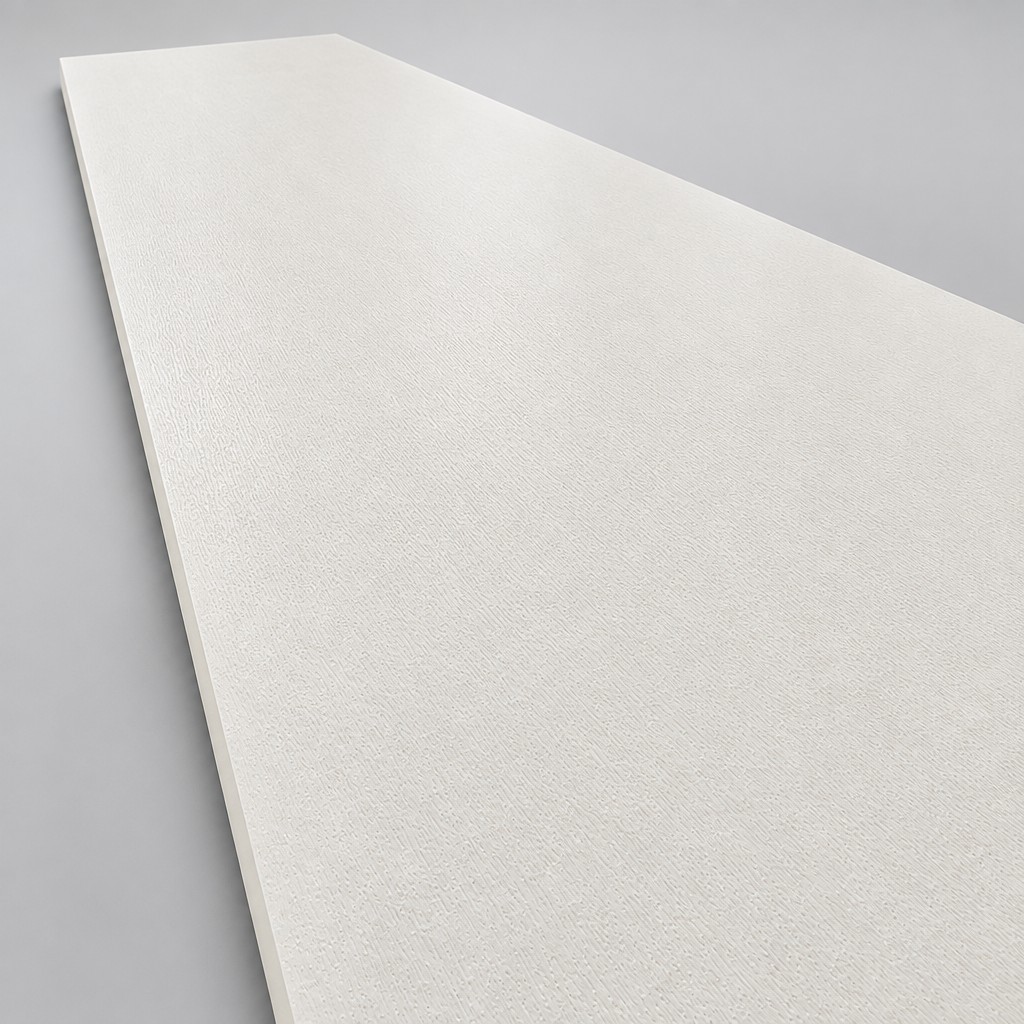
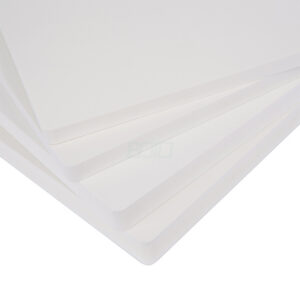
Full 4 by 8 foot cellular PVC sheet, 3/4 inch thick, in white. Woodgrain on one face, smooth on the other. Closed-cell foam core, white through the full thickness. Machines like hardwood, lives outdoors like plastic.
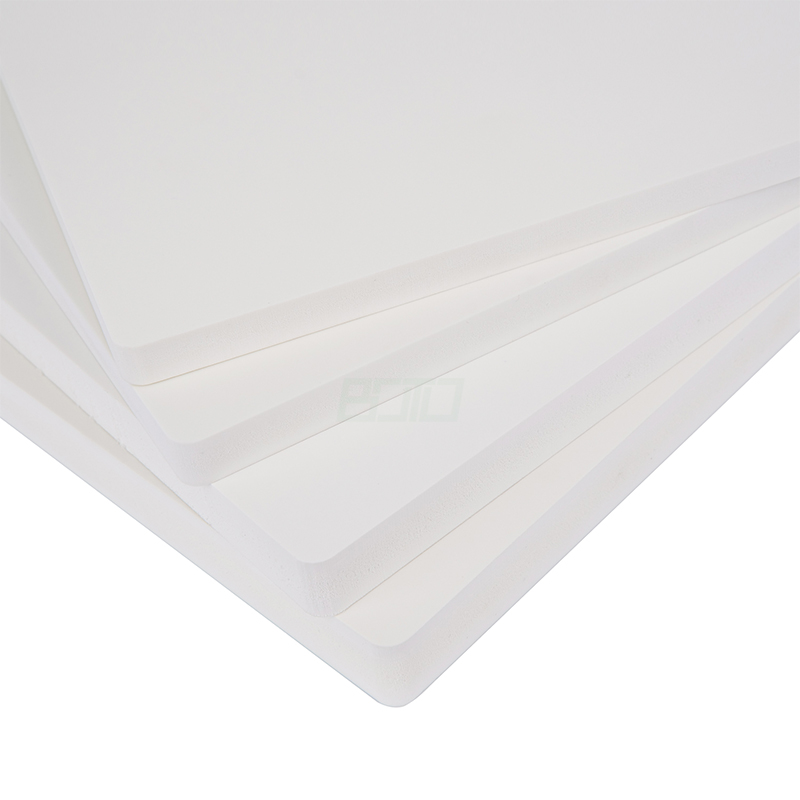
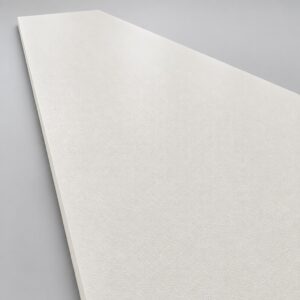
A full 4 by 8 foot sheet of cellular PVC, 3/4 inch thick, moulded white all the way through. One face carries a woodgrain texture, the other is smooth. The core is closed-cell foam — dense enough to hold a screw, light enough that one person can carry a sheet.
Why it beats plywood where water is involved
Exterior-grade plywood in a wet detail is a countdown. The glue line is the weak point, and once water finds it the panel delaminates from the inside out. Cellular PVC has nothing to delaminate and nothing to rot. It is the same price order of magnitude as good marine ply, and it does not have a service life measured in seasons.
What a 4 × 8 sheet is for
A trimboard solves a line. A sheet solves a surface. This is the stock you reach for when the detail is wider than a board:
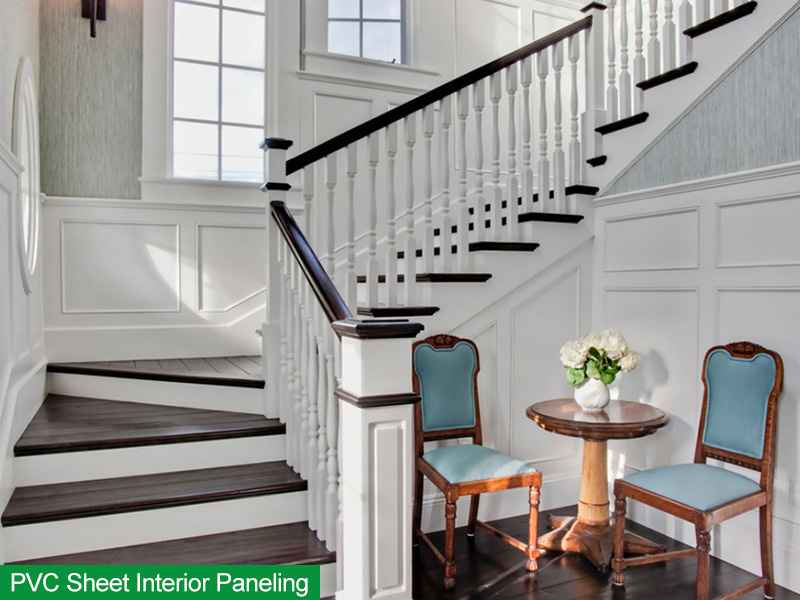
- Column and post wraps, cut to width from one piece instead of built up from four boards
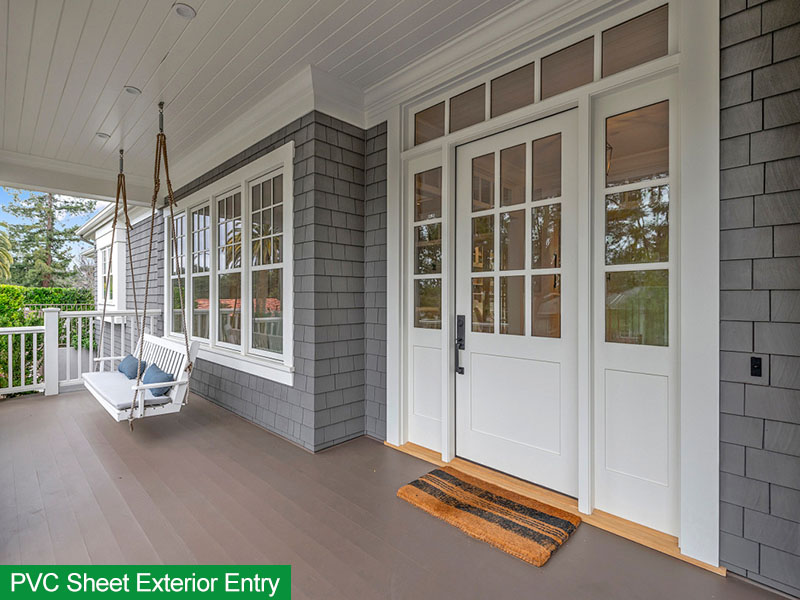
- Soffit and porch ceiling panels on a covered entry
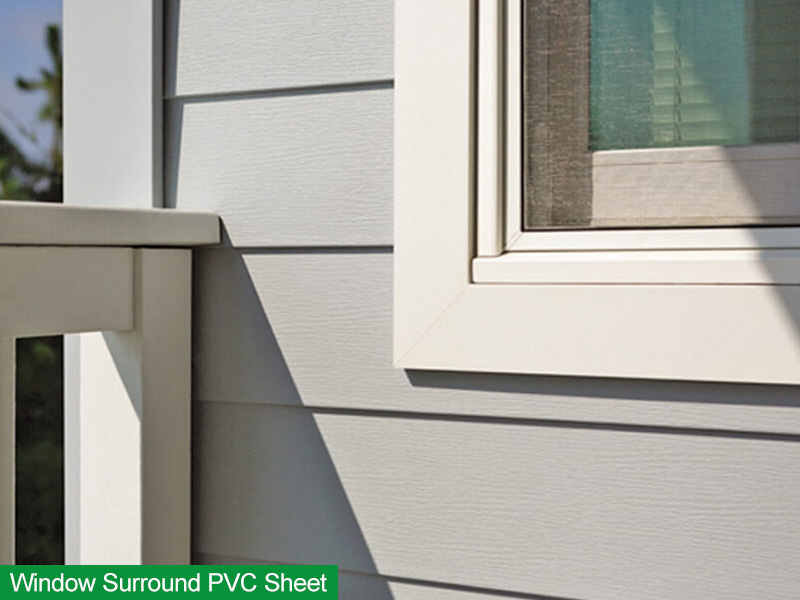
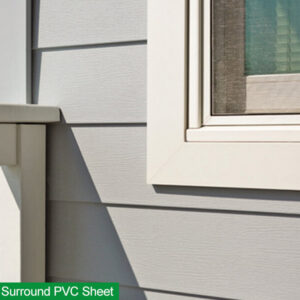
- Window and door surrounds wider than 5-1/2 inches, and the pilasters and plinths under them
- Cabinet carcasses and vanity bases in bathrooms, laundries and boat interiors — places where plywood eventually fails
- Skirting on a raised deck, where the panel sits an inch off wet ground for twenty years
- CNC and router work: signage, brackets, corbels, templates. It machines cleanly and holds a crisp edge.
Working with it — the manufacturer’s own guidance
- Cutting. Standard woodworking equipment, carbide-tipped blades. Do not use fine-tooth metal-cutting blades. A rough cut edge comes from too much friction, poor support under the board or the wrong tooling — not from a bad board.
- Drilling and routing. Standard woodworking tools, carbide router bits. Clear the shavings out of a drill hole as you go so heat does not build up. Below 0 °C (32 °F), pre-drill before nailing.
- Fastening. Stainless steel or hot-dipped galvanized nails or screws. No staples, no brads, no wire nails — a fastener you can bend with your fingers will not hold. It has to reach at least 1-1/2 inches into solid wood, two fasteners at every framing member, within 2 inches of each end, and on sheets no more than 8 inches apart.
- Gluing. PVC cement, edge or face, on clean dry surfaces. Glue alone is not enough for a lasting bond: BOTO specifies glue and mechanical fasteners together, and the joints between pieces glued so they cannot separate.
- Spanning. Fine for fascias, soffits and ceilings. Never load-bearing. Beyond 16 inches on centre you need a 1/2-inch plywood or OSB backer with construction adhesive, fastened at least every 16 inches.
- Expansion. BOTO’s own figure is 1/8 inch per 18 feet. Fasten along the full length and glue the joints and the movement stays where you put it; leave the expansion space at the ends of a long glued run, never in the middle of it.
- Storage. Flat and level — it takes the shape of whatever it is stored on. Not on asphalt, not anywhere heat builds up.
- Painting. It does not need paint, but it holds paint well. 100 % acrylic latex only, and the manufacturer advises against dark colours. Fill nail holes with an exterior sandable spackle first.
What it is not
It is not structural. Cellular PVC carries its own weight and nothing else — it is not a header, not a stair tread, not a load-bearing member.
It is also not a fire-rated product. We do not hold an ASTM E84 report for this item and will not quote a flame-spread class for it. If your job requires a rated assembly, specify a rated material.
Specifications
- Actual size 19 × 1,220 × 2,440 mm (3/4″ × 4′ × 8′)
- Faces: woodgrain one side, smooth the other
- Closed-cell foam core, white through the full thickness
- Approx. 31 kg per sheet
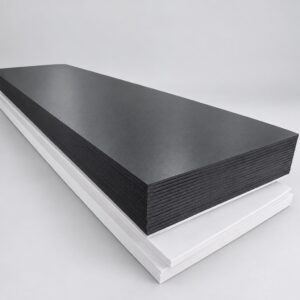
- Factory bundle: 20 sheets
Three ways to buy
From stock in Stratford, by the factory bundle, or by reserving a share of the next container before it ships. The price block above shows all three. Nothing is held back and there is no sale price — the number depends only on how you buy.
Related products