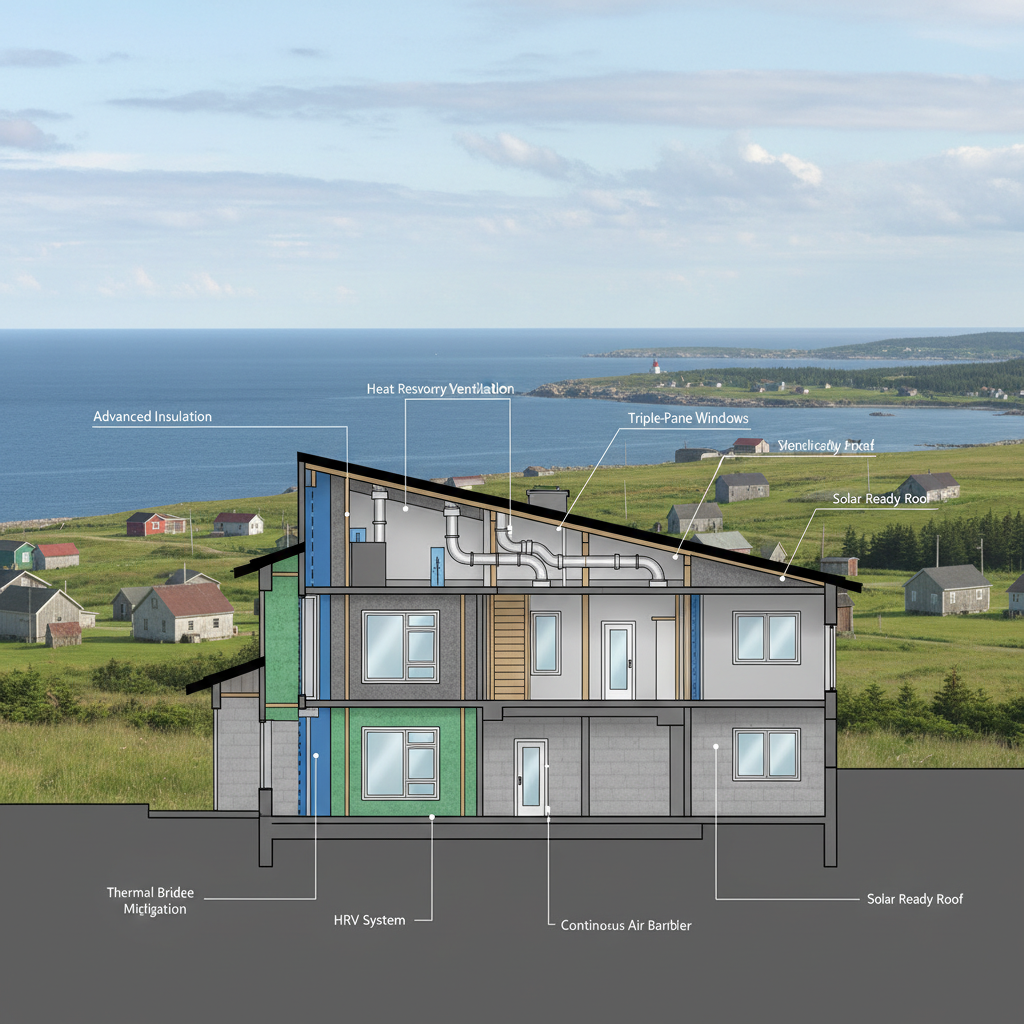
Net Zero Ready Homes: Atlantic Canada Building Standards
Net Zero Ready Homes: Building Standards for Atlantic Canada
As Atlantic Canada leads the charge toward sustainable construction, Net Zero Ready homes are becoming the gold standard for energy-efficient building. These high-performance structures are designed to produce as much energy as they consume annually, representing a significant advancement over traditional construction methods.
For contractors and builders across Prince Edward Island, New Brunswick, and Nova Scotia, understanding Net Zero Ready standards isn't just about meeting future regulations—it's about delivering superior value to homeowners while reducing long-term operating costs.
Understanding Net Zero Ready Certification
Net Zero Ready homes must meet specific performance criteria that go far beyond traditional building codes. The certification requires achieving an Energy Use Intensity (EUI) of 120 kWh/m² or less annually, measured through comprehensive energy modeling.
Key performance requirements include:
- Airtightness testing achieving 1.5 ACH50 or better
- Thermal bridging analysis and mitigation
- Mechanical ventilation with heat recovery efficiency above 75%
- High-performance building envelope with continuous insulation
- Energy modeling verification using HOT2000 or equivalent software
The certification process involves third-party verification at multiple construction stages, ensuring that design intent translates into actual performance. This rigorous approach helps identify and address performance gaps before occupancy.
PassivHaus Standards in Atlantic Canada
PassivHaus represents the most stringent voluntary energy performance standard globally, and it's gaining traction across Atlantic provinces. The standard requires heating demand below 15 kWh/m² annually—roughly 90% less than conventional construction.
Atlantic Canada's climate presents unique challenges for PassivHaus certification:
- Extended heating seasons requiring superior insulation performance
- High humidity levels demanding careful vapor management
- Temperature fluctuations requiring robust thermal mass strategies
- Wind-driven rain exposure necessitating advanced weatherization
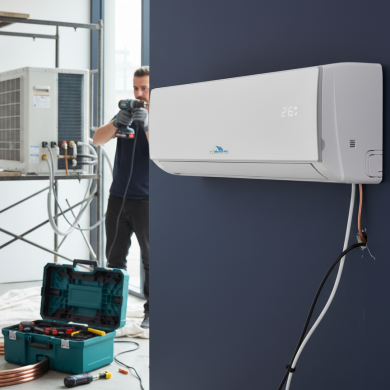
Successful PassivHaus projects in our region typically feature R-40+ walls, R-60+ roofs, and triple-pane windows with U-values below 0.8 W/m²K. The 12000 BTU Mini Split Air Conditioner Heat Pump 23 SEER represents the type of high-efficiency mechanical system required to meet these demanding standards.
Airtightness Testing and Building Envelope Performance
Airtightness forms the foundation of Net Zero Ready performance. Atlantic Canada's maritime climate makes this particularly critical, as air leaks can transport significant moisture loads that compromise both energy performance and durability.
Blower door testing protocols require:
- Pressurization testing at 50 Pascals pressure differential
- Thermal imaging during testing to identify leak locations
- Multiple test stages: rough-in, drywall completion, and final
- Documentation of remedial actions for failed tests
Advanced builders are achieving 0.6 ACH50 or better using continuous air barrier systems. Modern insulated wood formblock systems can contribute significantly to airtightness when properly detailed, as they eliminate many thermal bridges common in conventional framing.
Vapor management strategies must account for Atlantic Canada's bi-directional vapor drive. Summer cooling loads can reverse traditional vapor flow patterns, requiring intelligent vapor retarders or breathing wall assemblies that adapt to seasonal conditions.
Energy Modeling and Performance Verification
Energy modeling serves as both design tool and verification method for Net Zero Ready certification. Models must account for Atlantic Canada's specific climate data, including:
- Heating degree days ranging from 3,800 (Halifax) to 4,500 (Charlottetown)
- Solar resource availability varying seasonally
- Wind patterns affecting infiltration and stack effect
- Ground temperatures for foundation heat loss calculations
HOT2000 software remains the Canadian standard, but international tools like PHPP (PassivHaus Planning Package) offer greater accuracy for high-performance homes. Energy models must be calibrated against actual utility bills within the first year of occupancy.
High-efficiency mechanical systems play a crucial role in achieving modeled performance. Systems like the VY Energy Recovery Ductless Ventilator {ERVs} – 97% Effective can significantly reduce ventilation energy penalties while maintaining indoor air quality.
Financing and Incentive Programs
Atlantic Canada offers substantial financial support for Net Zero Ready construction through multiple programs:
Federal Programs:
- Canada Greener Homes Grant provides up to $5,000 for energy retrofits
- Canada Greener Homes Loan offers up to $40,000 at competitive rates
- Federal Climate Action Incentive payments support energy efficiency investments
Provincial Incentives:
- Innovation PEI supports sustainable technology adoption
- NB Power offers rebates for heat pumps and energy-efficient equipment
- Nova Scotia Power provides incentives for residential energy improvements
Regional Support:
- ACOA funding supports innovative construction technologies
- Municipal green building incentives vary by jurisdiction
- Property tax reductions available in select communities
These programs can offset 20-30% of incremental costs associated with Net Zero Ready construction, making high-performance building more accessible to mainstream markets.
Material Selection and Building Systems
Net Zero Ready homes require careful material selection to optimize both performance and cost-effectiveness. Key considerations include:
Insulation Systems:
- Continuous exterior insulation to minimize thermal bridging
- High-performance products achieving R-values 50% above code minimum
- Moisture-resistant materials suitable for Atlantic Canada's climate
Window and Door Performance:
- Triple-pane windows with warm-edge spacers and insulated frames
- Entry doors with thermal breaks and weatherstripping systems
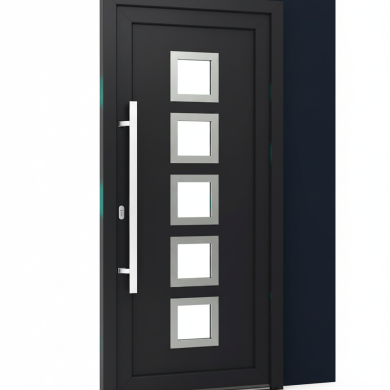
- Products like the VY Exterior Door 927 x 2063 that meet demanding performance criteria
Mechanical Systems:
- Air-source or ground-source heat pumps sized for reduced loads
- Heat recovery ventilation with sensible effectiveness above 75%
- High-efficiency water heating systems, including options like the VY 18000 BTU On Demand Water Heater
Foundation Systems:
- Continuous insulation beneath and around foundation systems
- Moisture management through drainage and waterproofing
- Thermal bridge mitigation at foundation-to-wall connections
Key Takeaways
- Net Zero Ready certification requires achieving 120 kWh/m² EUI or less through verified energy modeling
- Airtightness testing must demonstrate 1.5 ACH50 or better performance with third-party verification
- PassivHaus standards represent the highest performance tier, requiring 90% energy reduction versus conventional construction
- Multiple federal and provincial incentive programs can offset 20-30% of incremental construction costs
- Success depends on integrated design approach combining high-performance envelope, efficient mechanical systems, and quality construction practices
Ready to Build Net Zero Ready?
Achieving Net Zero Ready certification requires expertise in advanced building science, access to high-performance materials, and commitment to quality construction practices. Whether you're planning your first high-performance project or expanding your sustainable building portfolio, partnering with experienced suppliers ensures access to the latest technologies and proven building systems.
VY Build Inc. supports Atlantic Canada's transition to Net Zero Ready construction through comprehensive house kit solutions, high-performance building materials, and technical expertise. From advanced insulation systems to efficient mechanical equipment, we provide the components needed to achieve demanding performance standards while maintaining cost-effectiveness.