IGLO ENERGY Alaska vs Arizona Doors: Complete Performance Guide
IGLO ENERGY Alaska vs Arizona Doors: Complete Performance Guide
When selecting high-performance entrance doors for Atlantic Canada's demanding climate, the IGLO ENERGY series from the manufacturer offers two distinct design philosophies: the Alaska and Arizona collections. Both deliver exceptional thermal performance with Ud = 0.8 W/(m²K), but their glazing configurations and aesthetic approaches serve different architectural needs. Understanding these differences helps contractors and homeowners choose the optimal door for their specific project requirements.
IGLO ENERGY System Foundation
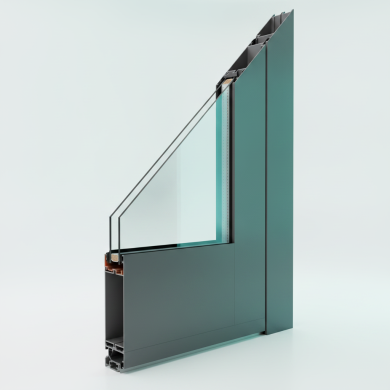
Both Alaska and Arizona doors share the same robust IGLO ENERGY platform, engineered for superior thermal efficiency in cold climates. The system features a 7-chamber frame construction paired with a 5-chamber sash design, creating an 82mm installation depth that accommodates substantial insulation barriers.
The thermal performance metrics remain consistent across both series: Ud = 0.8 W/(m²K) for the complete door assembly, with glazing units achieving Ug = 1.1 W/(m²K). This thermal efficiency stems from the dual EPDM gasket system and thermally broken threshold design, which eliminates cold bridging at critical junction points.
The 3-point espagnolette locking mechanism provides security while maintaining weatherproofing integrity. Both series offer over 30 veneer colour options, allowing customization to match diverse architectural styles across Atlantic Canada's residential and commercial projects.
Alaska Series: Stacked Glazing Architecture
The IGLO ENERGY Alaska series distinguishes itself through modified stacked glazing configurations that create distinctive vertical glass arrangements. The Alaska 2 variant specifically features a sophisticated glass composition that maximizes natural light transmission while maintaining thermal barriers.
This stacked approach creates clean, contemporary lines that complement modern architectural trends. The vertical glazing elements provide homeowners with enhanced visibility and natural light penetration, particularly beneficial for entrance areas that might otherwise feel enclosed.
The Alaska series glazing design also offers practical advantages for maintenance and replacement. Individual glass sections can be serviced without affecting the entire door assembly, reducing long-term maintenance costs for building owners.
From a thermal perspective, the stacked glazing maintains consistent performance across the entire door surface. The multiple glass breaks create additional thermal barriers, contributing to the overall Ud = 0.8 W/(m²K) rating while providing visual interest through varied reflection patterns.
Arizona Series: Alternative Design Philosophy
While sharing the same IGLO ENERGY foundation, the Arizona series approaches glazing configuration from a different design perspective. Rather than stacked vertical elements, Arizona variants typically feature more traditional glazing layouts that emphasize horizontal proportions and broader glass surfaces.
The Arizona series often incorporates decorative glass patterns and textures that provide privacy while maintaining light transmission. This approach suits residential applications where security and privacy are primary concerns, particularly for street-facing entrances.
Arizona doors frequently feature integrated decorative elements that complement traditional and transitional architectural styles. The glazing arrangements often include geometric patterns or textured glass options that create visual interest without compromising thermal performance.
For contractors working on heritage renovations or traditional home designs, the Arizona series provides authentic styling cues while delivering modern energy efficiency standards.
Thermal Performance Analysis
Both Alaska and Arizona series achieve identical thermal performance ratings, demonstrating that aesthetic differences don't compromise energy efficiency. The Ud = 0.8 W/(m²K) rating places both series well within high-performance categories for cold climate applications.
The 82mm installation depth accommodates substantial weather sealing materials, while the dual EPDM gasket system creates redundant barriers against air infiltration. This design approach proves particularly valuable in Atlantic Canada's coastal environments, where wind-driven moisture presents ongoing challenges.
The thermally broken threshold design eliminates one of the most common thermal bridging locations in entrance door assemblies. This feature becomes crucial during heating seasons when temperature differentials between interior and exterior surfaces can exceed 30°C.
Glazing performance remains consistent across both series at Ug = 1.1 W/(m²K), indicating high-quality insulated glass units with appropriate spacer systems and gas fills. This glazing performance contributes significantly to the overall door thermal rating.
Installation and Compatibility Considerations
Both Alaska and Arizona doors require identical rough opening preparations and installation procedures, simplifying contractor logistics when projects specify mixed door types. The 82mm installation depth provides adequate adjustment range for most wall assembly thicknesses common in Atlantic Canada construction.
The threshold system integrates with standard flashing details and vapor barrier continuity requirements. Proper installation requires attention to thermal bridge elimination at the jamb-to-wall connections, where thermal conductivity can compromise overall assembly performance.
Veneer color consistency across both series allows projects to specify different glazing styles while maintaining uniform appearance. This flexibility proves valuable for multi-unit residential developments or commercial applications requiring varied privacy levels.
Hardware compatibility remains consistent between series, with identical lock cylinders, hinges, and weatherstripping components. This standardization reduces inventory requirements for contractors managing multiple door specifications.
Selection Criteria for Atlantic Canada Applications
Choosing between Alaska and Arizona series typically depends on architectural style preferences rather than performance differences. The Alaska series stacked glazing suits contemporary and modern designs, while Arizona configurations complement traditional and transitional styles.
For coastal applications, both series provide equivalent weather resistance. The dual gasket system and thermally broken threshold perform identically regardless of glazing configuration, ensuring reliable performance in Atlantic Canada's challenging weather conditions.
Privacy requirements often influence series selection. Alaska's stacked glazing provides more transparent areas, suitable for protected entrances, while Arizona options frequently offer textured or patterned glass for street-facing applications.
Budget considerations typically favor whichever series aligns with project aesthetic requirements, as both maintain similar material costs and installation complexity.
Key Takeaways
• Both Alaska and Arizona series achieve Ud = 0.8 W/(m²K) thermal performance with identical IGLO ENERGY system construction
• Alaska series features stacked glazing configurations ideal for contemporary architectural styles
• Arizona series offers traditional glazing layouts with enhanced privacy options
• Installation requirements and hardware compatibility remain consistent across both series
• Series selection typically depends on aesthetic preferences rather than performance differences
Choose the Right IGLO ENERGY Door for Your Project
Ready to specify high-performance entrance doors that deliver exceptional thermal efficiency without compromising design flexibility? VY Build Inc. provides comprehensive IGLO ENERGY door solutions tailored to Atlantic Canada's construction requirements. Our technical team can help you select the optimal Alaska or Arizona configuration for your specific project needs.
Contact VY Build Inc. today to discuss IGLO ENERGY door specifications and explore how these high-performance entrance solutions can enhance your next construction project's energy efficiency and architectural appeal.