Seaside hospitality energy playbook: Cutting costs and boosting comfort for Atlantic B&Bs
If you run a B&B or short-term rental in Atlantic Canada, you know the specific dread of opening a January power bill that wipes out your off-season profits. With energy rates fluctuating and the Atlantic winds stripping heat from older buildings, heating costs can consume up to 60% of a hospitality property’s utility budget. Yet, the real cost isn’t just the monthly bill; it is the negative impact on guest experience when rooms feel drafty or damp. In this article, we analyze how investing in high-performance building envelopes—specifically insulated woodform blocks and triple-pane glazing—transforms operating economics. We will explore practical retrofit strategies, modular expansion options for the high season, and how to future-proof your business against 2026 regulations while securing higher online ratings through superior guest comfort.
The economics of guest comfort: Why R-32 matters for revenue
In the hospitality industry, thermal comfort is directly linked to revenue per available room (RevPAR). A guest who wakes up shivering in a drafty Charlottetown heritage home leaves a review mentioning the cold, which deters future off-season bookings. Standard 2×6 construction with R-20 batt insulation often fails to mitigate the thermal bridging caused by the harsh Maritime climate. When the wind chill hits -20°C, the interior surface temperature of a standard wall drops, creating convection currents that guests feel as drafts.
Upgrading to an R-32 insulated woodform block system creates a continuous thermal break. Unlike traditional framing where wooden studs transfer cold inward, these engineered wood-based blocks provide consistent insulation. For a B&B owner, this means the heating system works less to maintain 21°C, reducing energy consumption by an estimated 30-40%. More importantly, the sound attenuation properties of these solid insulated walls improve privacy between guest rooms—another critical factor in securing 5-star reviews.
Combating the ‘Old House Smell’: Moisture management in coastal climates
The distinct "musty" smell found in many seaside inns across Nova Scotia and PEI is rarely poor housekeeping; it is usually trapped moisture. High humidity levels, often exceeding 80% in Atlantic coastal areas, permeate standard building envelopes. When this moist air hits cold wall cavities or single-pane windows, condensation forms, leading to mold growth and structural decay over time.
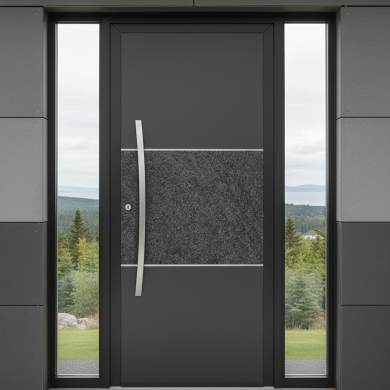
To solve this, modern hospitality retrofits must focus on air tightness and vapor management. High-performance European windows (triple-pane, tilt-and-turn) prevent condensation even in extreme cold, keeping sills dry and sightlines clear. Pairing these with R-32 woodform walls eliminates the dew point from occurring inside the wall cavity. By controlling the building envelope, you eliminate the source of mold odors, reducing turnover downtime spent scrubbing mildew and protecting the asset’s long-term value.
Modular annexes: Adding inventory without missing the high season
For operators looking to capitalize on the summer tourism rush, traditional construction timelines are a liability. Breaking ground in April often means construction noise disrupts guests through July, effectively killing the season’s revenue. Modular construction offers a strategic alternative for capacity expansion.
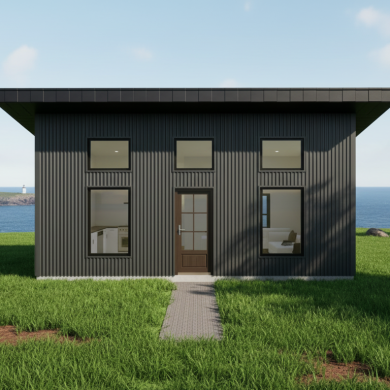
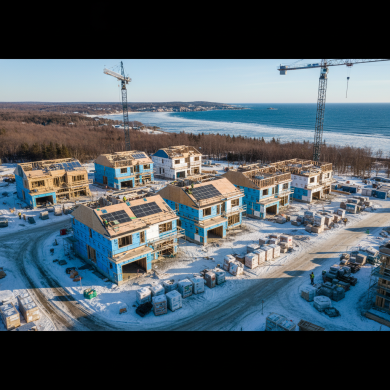
VY Build modular units can be prefabricated off-site and installed in a matter of days, not months. These units utilize the same high-efficiency insulated woodform technology, ensuring that new annexes or garden suites meet net-zero ready standards immediately. For a property in Cavendish or Summerside, adding two premium, winter-ready garden suites can generate significant ROI. Because these units are highly insulated, they remain profitable to rent throughout the shoulder season and winter, unlike uninsulated summer cottages that must be shuttered in October.
2026 Regulations and ROI scenarios
Municipalities across Atlantic Canada are tightening regulations regarding short-term rentals, focusing on fire safety and energy efficiency. By 2026, compliance with stricter energy codes will likely not be optional. Investments made now in thermal envelopes reduce the risk of forced retrofits later. Below is a projected ROI model for upgrading a standard guest annex versus a high-performance retrofit.
| Investment Item | Standard Scenario (Code Minimum) | High-Performance (VY Build System) | Projected Annual Energy Savings | Est. Payback Period |
|---|---|---|---|---|
| Wall Assembly | 2×6 Batt (R-20 effective) | Insulated Woodform (R-32 effective) | $600 – $900 / unit | 5-7 Years |
| Windows | Double Pane Vinyl | European Triple Pane Tilt-and-Turn | $250 – $400 / unit | 8-10 Years |
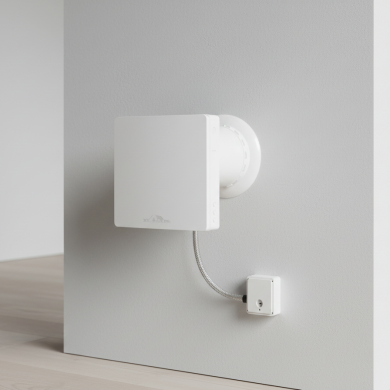
| HVAC Load | 24k BTU Head Required | 12k BTU Head Sufficient | $300 (Equipment savings + run cost) | Immediate (CapEx offset) |
Innkeeper’s Action Plan
- 1. Audit Your Envelope: Use a thermal camera (rentable locally) during a cold snap to identify where your heat is actually escaping. It is usually windows and wall junctions.
- 2. Zone Your Heating: With R-32 insulation, rooms hold heat like a thermos. Install smart thermostats to drop temperatures in unbooked rooms without fear of freezing pipes or affecting adjacent guests.
- 3. Plan for Modular Expansion: If you refused bookings last August due to capacity, contact VY Build now to plan a modular annex installation for Spring 2025 that won’t disrupt your guests.
- 4. Check Local Rebates: Verify current commercial retrofit incentives through efficiencyPEI or provincial counterparts before signing contracts.
Local support and incentives for Atlantic operators
Operating in Atlantic Canada provides access to specific support networks designed to bolster the tourism economy. In Prince Edward Island, efficiencyPEI offers rebates for business energy rebates that can apply to envelope upgrades, including insulation and high-performance windows. Furthermore, the Atlantic Canada Opportunities Agency (ACOA) frequently supports tourism operators upgrading their facilities to extend their operating season into the winter months. A winter-ready facility, made possible by R-32 thermal walls and triple-pane glazing, opens up new revenue streams from winter festivals, hockey tournaments, and storm-watching tourism that drafty summer cottages cannot service.
Conclusion
The hospitality market in Atlantic Canada is evolving towards higher guest expectations and stricter regulatory environments. Relying on aging, inefficient building envelopes is a strategy of diminishing returns, where rising utility costs eat into margins and guest comfort issues hurt reputation. By adopting a high-performance approach—utilizing insulated woodform blocks, European windows, and rapid modular construction—operators can drastically reduce overhead while providing a superior guest experience. Whether you are retrofitting a heritage inn in Charlottetown or expanding a resort in rural PEI, energy efficiency is the most reliable lever for increasing profitability. Contact us to discuss how we can tailor a solution for your property.
Take the next step for your business
Ready to lower your operating costs and improve guest ratings? Contact VY Build for a consultation on hospitality retrofits and modular expansions.
Phone: (902)-629-6699
Email: info@vybuild.ca
Website: vybuild.ca