ERV Installation Guide: 97% Efficient Ventilator Setup
ERV Installation Guide: Professional Setup for Maximum Indoor Air Quality
In Atlantic Canada's increasingly energy-efficient homes, maintaining optimal indoor air quality while preserving heating efficiency has become a critical challenge. The VY Energy Recovery Ductless Ventilator with 97% effectiveness offers the perfect solution for Prince Edward Island, New Brunswick, and Nova Scotia builders seeking to balance ventilation with energy conservation.
This comprehensive installation guide will walk construction professionals through the complete setup process, ensuring optimal performance in the region's demanding climate conditions.
Understanding ERV Technology and Atlantic Canada Requirements
Energy Recovery Ventilators (ERVs) are essential components in modern tight building envelopes, particularly in Atlantic Canada where heating costs can be substantial during extended winter months. The VY Energy Recovery Ductless Ventilator operates at 97% effectiveness, meaning it recovers nearly all the heat and humidity from outgoing stale air while bringing in fresh outdoor air.
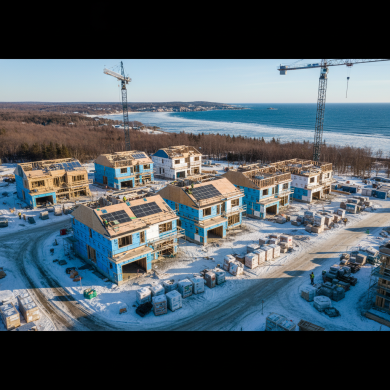
In Prince Edward Island's climate, where temperatures can drop below -20°C and humidity levels vary significantly between seasons, an ERV system prevents the energy loss that occurs with traditional exhaust-only ventilation. This technology is particularly valuable when paired with high-performance building systems like OSBLOCK™ insulated construction blocks, creating a comprehensive energy-efficient envelope.
The ductless design eliminates the need for extensive ductwork, making it ideal for retrofit applications or homes where traditional ducted systems aren't feasible. This feature is especially beneficial for the many heritage homes throughout Nova Scotia and New Brunswick that require ventilation upgrades without major structural modifications.
Pre-Installation Planning and Site Assessment
Before beginning installation, conduct a thorough site assessment to determine optimal ERV placement. In Atlantic Canada's coastal climate, moisture management is crucial, so position the unit away from areas prone to condensation or salt air exposure.
Select an interior wall location that allows for easy access to both indoor and outdoor air. The unit should be mounted at least 7 feet above ground level on the exterior to prevent snow blockage during Maritime winters. Ensure the chosen location provides adequate clearance for maintenance access and filter changes.
Electrical requirements include a dedicated 120V circuit with GFCI protection. Plan the electrical rough-in during the construction phase, positioning the electrical box approximately 6 inches from the final ERV location. This spacing accommodates the unit's internal wiring while maintaining clean installation aesthetics.
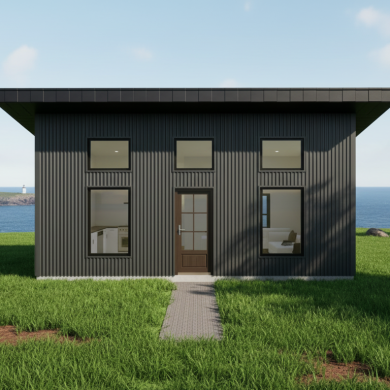
Consider the home's overall ventilation strategy, particularly in energy-efficient builds using systems like the VY 1000-Flex Modern House Kit or other high-performance designs. The ERV should complement, not compete with, other mechanical systems including heat pumps and radiant heating systems.
Wall Preparation and Core Drilling
Wall preparation begins with marking the exact center point for the core penetration. Use the manufacturer's template to ensure precise alignment between interior and exterior wall surfaces. In Atlantic Canada's construction, account for varying wall assemblies including traditional stick-frame, advanced framing, or innovative systems like OSBLOCK™ construction.
Core drilling requires a 6-inch diamond-tipped core bit for most installations. Maintain perpendicular alignment to prevent air leakage issues that could compromise the unit's 97% effectiveness rating. When drilling through masonry or concrete block foundations common in Maritime construction, use appropriate dust collection methods and wear proper respiratory protection.
Install the wall sleeve immediately after completing the core hole to prevent moisture infiltration. The sleeve should extend slightly beyond both interior and exterior wall surfaces. Apply construction adhesive around the sleeve perimeter and use appropriate fasteners for your wall system type.
In coastal areas of Prince Edward Island and Nova Scotia, apply additional weatherproofing measures including marine-grade sealants around the exterior sleeve penetration. This extra protection prevents salt air corrosion and ensures long-term performance in the region's challenging coastal environment.
Electrical Connections and Controls Installation
Electrical installation begins with confirming power is disconnected at the breaker panel. The VY Energy Recovery Ductless Ventilator requires a dedicated 15-amp circuit with GFCI protection, particularly important in Atlantic Canada's high-humidity coastal climate.
Route electrical supply cable through the designated knockout in the unit housing. Use appropriate strain relief connectors to prevent wire damage from vibration during operation. Connect line, neutral, and ground wires according to the manufacturer's wiring diagram, ensuring all connections are tight and properly insulated.
Install the control system according to your specific application. Basic installations use the included wall-mounted control panel, while more sophisticated setups may integrate with home automation systems or dedicated HVAC controls. Position the control panel in a central location where occupants can easily adjust settings based on Atlantic Canada's variable seasonal conditions.
Test all electrical connections before proceeding with final unit installation. Verify proper voltage supply and ensure GFCI protection is functioning correctly. This electrical preparation is crucial for achieving the unit's rated 97% effectiveness and ensuring reliable operation throughout Atlantic Canada's demanding heating season.
Unit Mounting and Final Assembly
Mount the ERV unit securely to the wall structure using appropriate fasteners for your wall system. In coastal areas, use stainless steel or galvanized fasteners to prevent corrosion from salt air exposure. Ensure the unit is level and properly aligned with the wall sleeve.
Install the exterior weather hood with proper slope for water drainage. In Atlantic Canada's climate, the hood must handle significant precipitation while preventing wind-driven rain from entering the system. Apply a generous bead of high-quality exterior sealant around the hood perimeter.
Connect the unit to the wall sleeve, ensuring proper alignment of the heat recovery core. The connection must be airtight to maintain the 97% effectiveness rating. Use the manufacturer's specified gaskets and sealing materials to prevent air bypass around the heat exchanger.
Install interior and exterior grilles according to the manufacturer's specifications. The exterior grille should include an integrated bird guard to prevent nesting, particularly important in Atlantic Canada's diverse bird population areas.
Commissioning and Performance Verification
Commissioning begins with a thorough inspection of all connections and mountings. Verify that the heat recovery core is properly seated and that all air pathways are clear of construction debris or packaging materials.
Power up the system and test all operating modes including continuous operation, intermittent cycles, and any integrated humidity controls. Monitor airflow volumes using appropriate measuring equipment to ensure the unit meets design specifications for your specific application.
Verify the unit's 97% effectiveness by measuring supply and exhaust air temperatures during steady-state operation. In Atlantic Canada's climate, this testing should occur during both heating and cooling seasons to ensure year-round performance.
Educate the homeowner or building operator on proper maintenance procedures including filter replacement schedules and seasonal adjustments. Provide documentation including warranty information and recommended maintenance intervals specific to Atlantic Canada's climate conditions.
Key Takeaways
• Proper site selection and wall preparation are crucial for achieving 97% ERV effectiveness in Atlantic Canada's demanding climate
• Electrical installation requires dedicated GFCI-protected circuitry with appropriate connections for reliable year-round operation
• Weatherproofing measures must account for coastal salt air and significant precipitation common throughout the Maritime provinces
• Commissioning and performance verification ensure optimal indoor air quality while maintaining energy efficiency in tight building envelopes
• Regular maintenance and seasonal adjustments maximize system longevity and effectiveness in variable Atlantic climate conditions
Optimize Your Building's Ventilation Performance
Ready to install professional-grade energy recovery ventilation in your next project? The VY Energy Recovery Ductless Ventilator delivers 97% effectiveness while maintaining indoor air quality in even the tightest building envelopes. Contact VY Build Inc. today to discuss your ventilation requirements and ensure optimal performance for Atlantic Canada's unique climate conditions.