Heritage-Smart Retrofits: Modernizing Historic Atlantic Homes Without Erasing Character
You love the high ceilings, the intricate molding, and the street presence of your 1920s Charlottetown property, but you dread the January heating bill that inevitably climbs past $600 a month. In Atlantic Canada, uninsulated heritage homes effectively hemorrhage energy, with data showing that pre-1940s structures lose 35% of their heat through air leakage and uninsulated stone or plank walls alone. This guide details exactly how to achieve net-zero readiness in historic properties while strictly adhering to municipal preservation by-laws. You will learn the technical physics of interior-first insulation, the strategic use of reversible modular annexes, and how to navigate the 2026 heritage grant landscape to offset your capital expenditures.
The Building Science of Heritage Retrofits: Managing Moisture in Maritime Climates
The primary challenge in retrofitting Atlantic heritage homes is not achieving R-value, but managing moisture. Historic buildings in Nova Scotia and PEI were designed to ‘breathe’; they dry out through air leakage. When you seal these structures to modern efficiency standards, you risk trapping moisture inside the wall assembly, leading to rot in century-old timber frames or spalling in soft red brick. The average annual relative humidity in coastal Atlantic Canada hovers around 80%, making this a critical failure point for standard renovations.
To solve this, we must decouple the thermal barrier from the historic shell. The most effective method for preserving a facade while stopping heat loss is an interior retrofit using high-performance insulated woodform blocks. Unlike stud framing with fiberglass batts—which leaves thermal bridges every 16 inches and creates pockets for condensation—insulated woodform blocks provide a continuous R-32 thermal barrier. This system acts as a ‘room-within-a-room,’ structurally independent yet thermally superior, ensuring the dew point is managed within the insulation layer rather than on your antique studs.
Moisture Risk Decision Matrix for Atlantic Heritage Homes
Before selecting an insulation strategy, assess your risk profile based on wall composition and exposure to the Northumberland Strait winds.
| Wall Type | Risk Level | Recommended Strategy | Key Technical Constraint |
|---|---|---|---|
| Solid Masonry (Brick/Stone) | High | Internal R-32 Woodform Block | Must verify exterior mortar condition first. Do not insulate if pointing is failing. |
| Timber Frame / Clapboard | Medium | Internal R-32 Woodform Block or Dense-Pack Cellulose | Requires intelligent vapor retarder to allow drying to the interior in summer. |
| Mass Wood (Plank Wall) | Low | Exterior Insulation (Rear/Sides only) or Internal Block | Easiest to retrofit, but exterior insulation alters heritage molding depth. |
The ‘Invisible’ Addition: Expanding Space with Modular Annexes
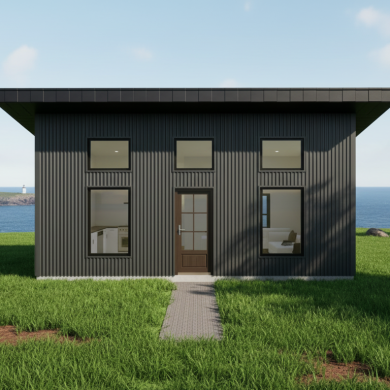
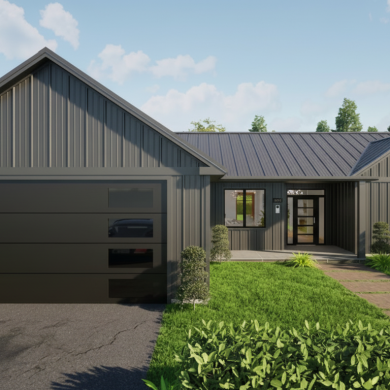
Heritage officers in municipalities like Charlottetown or Lunenburg often restrict changes to the ‘streetscape,’ but are generally permissive regarding rear elevations. This creates an opportunity for the Heritage-Smart Modular Annex. Instead of attempting to modernize the entire leaky structure at once, many owners are opting to build a high-performance addition attached to the rear of the historic home.
Using pre-manufactured insulated woodform blocks, these annexes can be constructed rapidly—often weather-tight in under 48 hours—minimizing vibration and site disturbance that can damage fragile limestone foundations. This approach offers a ‘lifeboat’ strategy: you gain a net-zero ready kitchen, bath, or living space (R-32 walls, R-40 roof) that serves as the home’s thermal core, drastically reducing the heating load even if the front parlor remains drafty for aesthetic reasons. Because these blocks are lightweight and structurally self-sufficient, they put less load on questionable soil conditions common in coastal zones.
Preserving the Look: Heritage-Style Windows and Foundation Upgrades
Nothing ruins a heritage facade faster than white vinyl slider windows. However, single-pane glass has an insulating value of roughly R-1. To meet modern codes (requiring Zone 2 or 3 performance) without angering the design review board, look for European-engineered tilt-turn windows with simulated divided lites (SDL). These units offer triple-pane performance (up to R-8) but feature architectural profiles that mimic traditional wood hung windows. They seal airtight against 100 km/h nor’easters but open inwardly for ventilation.
Foundation retrofits present another challenge. Many Maritime basements are stacked island stone or poured concrete with no footing. Digging down to underpin can be catastrophic. The safest retrofit is often an interior application of spray foam or rigid board, but this is messy and flammable. A cleaner alternative is lining the basement perimeter with a thinner profile of insulated woodform blocks. This stabilizes the old wall, provides a clean finish surface, and adds R-32 insulation, effectively turning a damp, 4°C cellar into a conditioned, dry mechanical or storage zone.
Practical Tips for Your Heritage Retrofit
- Map Your Air Leaks: Before spending a dime, pay for a blower door test. In heritage homes, 40% of heat loss is often at the rim joist (where the floor meets the foundation).
- Check Your Electrical: Do not insulate walls containing Knob-and-Tube wiring. It is a fire hazard when covered. Upgrade to 200-amp service first.
- Consult Local By-Laws Early: In Charlottetown, check the “500 Lot Area” heritage map. Changes to cladding materials usually require a permit and committee review.
- Contact VY Build: We can assess if your floor joists can support an internal R-32 block retrofit or if a rear modular annex is the safer structural choice.
Navigating 2026 Funding and Permits in Atlantic Canada
Cost is the primary barrier to heritage preservation. Fortunately, 2026 brings updated funding streams focused on carbon reduction. While federal programs evolve, provincial incentives like efficiencyPEI continue to offer substantial rebates for envelope upgrades, specifically targeting wall insulation (R-values > 20) and window replacements. For heritage homes, you can often stack these rebates with municipal heritage grants designated for exterior maintenance (painting, corbels, masonry pointing).
When approaching a heritage committee, language matters. Do not propose “replacing” a wall; propose “stabilizing the thermal envelope reversibly.” Emphasize that using an internal insulated woodform block system preserves 100% of the exterior character-defining elements. For additions, use terms like “subordinate” (the addition is lower/smaller than the main house) and “distinguishable” (it looks modern enough not to create a false sense of history). This aligns with the Standards and Guidelines for the Conservation of Historic Places in Canada.
Specifically in Prince Edward Island, the move toward net-zero codes means that even renovations will soon face stricter energy requirements. By using R-32 insulated blocks now, you future-proof the asset against rising energy costs and impending regulation changes, ensuring your 1890s farmhouse remains viable for the next century.
Conclusion: Bridging the Centuries
Owning a heritage home in Atlantic Canada is a stewardship role, balancing the preservation of history with the realities of our harsh maritime climate. You do not have to choose between freezing in a beautiful museum or living in a comfortable vinyl box. By leveraging advanced materials like insulated woodform blocks for internal retrofits and rear annexes, and selecting architecturally appropriate high-performance windows, you can achieve modern energy standards. These interventions reduce heating loads by 40-60%, protect the structural integrity of the building from moisture, and maintain the street appeal that makes the property valuable. If you are ready to modernize your historic property with respect and precision, contact VY Build at (902)-629-6699 or email info@vybuild.ca for a consultation on R-32 heritage solutions.