R-Value Temperature Correction: Real Performance Atlantic
Advanced Insulation R-Value Calculations: Temperature Correction for Atlantic Canada
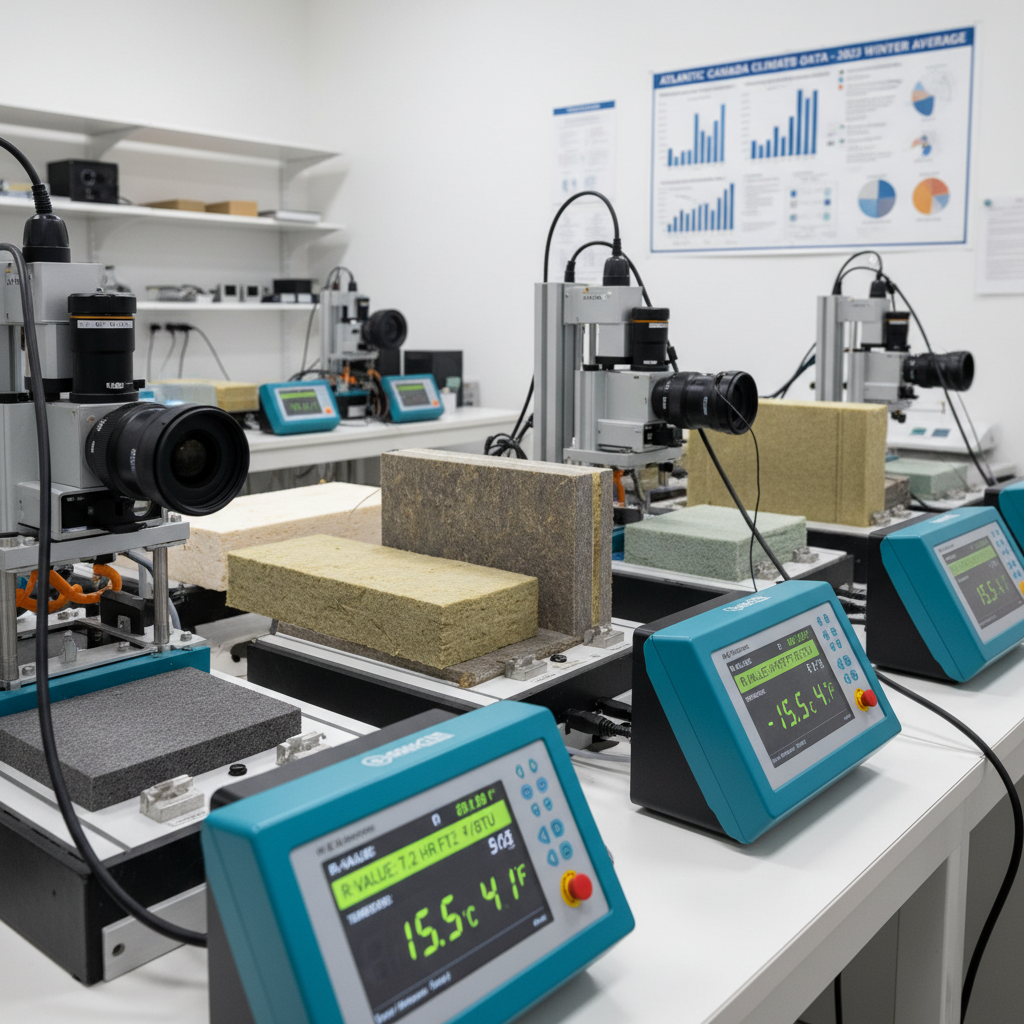
When the harsh Atlantic winter winds sweep across Prince Edward Island and the Maritime provinces, laboratory-tested R-values don't tell the complete thermal performance story. The FTC tests at 75°F mean temperature, which overstates polyiso performance in cold climates by up to 25%. Understanding temperature correction factors becomes crucial for accurate energy calculations and code compliance across Atlantic Canada's diverse climate zones.
Why Temperature Matters: Beyond Laboratory R-Values
A nominally R-13 fiberglass batt may be R-14 at −12 °C (10 °F) and R-12 at 43 °C (109 °F). This temperature variance significantly impacts real-world performance across Atlantic Canada, where winter temperatures can plummet well below the 24°C testing standard used for R-value ratings.
Our product catalog includes advanced insulation solutions designed for these climate challenges. The VY 1000-Flex House Kit incorporates engineering principles that account for thermal bridging and effective R-values in Atlantic conditions.
The most important consideration with polyiso is its temperature-dependent performance. Unlike other rigid insulations, polyiso's R-value decreases significantly in cold temperatures. "For cold climate applications, polyiso manufacturers recommend using a 15% R-value correction factor when temperatures drop below 25°F."
Material-Specific Temperature Performance
Different insulation materials respond uniquely to temperature variations:
- Polyisocyanurate (Polyiso): It's rated R-5.6 to R-6.5 per inch at 75°F but drops to R-3.5–R-4.5 per inch when the mean temperature falls below 25°F.
- Fiberglass and Mineral Wool: Fiberglass and mineral wool are largely unaffected by temperature, making them predictable performers in any climate.
- EPS (Expanded Polystyrene): EPS: Most temperature-stable with minimal variation
Calculating Effective R-Values in Cold Climates
Atlantic Canada's building codes reflect these regional temperature considerations. Because Canada is divided into zones (Zone 4 to Zone 8) based on "Heating Degree Days," the recommended R-value varies by how cold your specific region is. For Atlantic provinces, we typically see requirements of R-50 to R-60 in the attic and R-22, while R-20 is suggested for basement walls.
Practical Temperature Correction Formula
When calculating real-world thermal resistance for polyiso applications:
- Base R-Value: Start with manufacturer's 75°F rating
- Temperature Adjustment: Apply 15-25% reduction for mean temperatures below -4°C (25°F)
- Safety Factor: Add 10-15% buffer for installation variables
For example: R-6.5 polyiso × 0.75 (cold correction) × 1.10 (safety factor) = R-5.4 effective
Moisture Effects on Thermal Performance
Wet insulation is terrible insulation. Water conducts heat about 23× faster than still air, and since most insulation works by trapping tiny pockets of still air, moisture destroys performance. Fiberglass can lose 40% or more of its R-value when damp.
Atlantic Canada's coastal climate presents unique moisture challenges. Our VY Build Multi-purpose Gun Foam helps seal critical air barrier penetrations that prevent moisture infiltration.
Air Barrier Integration
Install careful air barriers at the sheathing or interior vapour barrier; air leakage through walls can reduce effective R-value by 20-50%. This becomes particularly critical in Atlantic Canada's wind-driven rain environments.
Aging Factors and Long-Term Performance
Insulation performance changes over time through several mechanisms:
- Settling: cellulose may settle slightly over time, reducing R-value by 5-10% over 20 years
- Compression: Stuffing it into a 3.5-inch 2×4 cavity doesn't give you R-19 in less space — it gives you approximately R-13. Compression reduces R-value proportionally.
- Moisture accumulation: Gradual performance degradation in coastal environments
Most insulation materials maintain their R-value for decades if properly installed and protected from moisture.
Assembly vs. Material R-Values
Here's the uncomfortable truth: the R-value on the insulation label is always higher than what your wall actually delivers. Label R-value is tested on the insulation product alone — a perfect specimen, no framing, no penetrations, no windows. Whole-wall R-value accounts for the entire wall assembly including framing members, headers, corners, window and door framing, and electrical boxes.
Thermal Bridging Calculations
In a standard 2×6 wall framed 16 inches on center, 23–25% of the wall area is lumber. That thermal bridging drops a cavity R-23 wall to about R-18 whole-wall. Understanding this reduction helps explain why continuous insulation becomes valuable in Atlantic construction.
We offer comprehensive VY Flex House series solutions that incorporate thermal bridge-broken design principles for superior whole-wall performance.
Real-World Performance Verification
According to the insulation industry and its supply channels learn how to calculate the nominal insulation needed to meet those code requirements that are expressed in effective thermal resistance. There is no single conversion factor, since the effective values account for each feature of the assembly contributing to thermal resistance.
Key Takeaways
- Temperature correction is essential for polyiso in Atlantic Canada's climate — apply 15-25% reduction below -4°C
- Material selection matters — fiberglass and mineral wool maintain consistent performance across temperature ranges
- Moisture protection is critical — proper air barriers prevent the 40%+ R-value losses from dampness
- Assembly design trumps material R-value — whole-wall calculations account for thermal bridging and real performance
- Long-term planning — factor 5-10% degradation over 20 years for settling-prone materials
Partner with Atlantic Canada's Building Science Experts
At VY Build Inc., we understand that theoretical R-values must translate into real-world thermal performance across Prince Edward Island's unique coastal climate. Our engineering team applies these temperature correction principles to every project, ensuring your building envelope performs as designed through Maritime winters and humid summers.
Explore our complete catalog of climate-tested building solutions, from advanced house kits to specialized insulation products, all engineered for Atlantic Canada's demanding conditions.