R-Value Requirements Atlantic Canada Building Code 2024
R-Value Requirements: Atlantic Canada Building Code 2024
Navigating the thermal resistance requirements in Atlantic Canada's building codes can be complex, especially with recent updates focusing on energy efficiency. Understanding R-value requirements is crucial for contractors, developers, and homeowners across Prince Edward Island, Nova Scotia, and New Brunswick. This comprehensive guide breaks down the 2024 requirements and helps ensure your projects meet compliance standards while maximizing energy performance.
Understanding Climate Zones in Maritime Canada
Atlantic Canada spans multiple climate zones that directly impact insulation requirements. The National Building Code of Canada divides the region into zones based on heating degree days (HDD):
Zone 6 (4000-4999 HDD): Most of Nova Scotia's coastal areas, including Halifax and Sydney regions
Zone 7A (5000-5999 HDD): Interior Nova Scotia, most of New Brunswick, and Prince Edward Island
Zone 7B (6000-6999 HDD): Northern New Brunswick, including Edmundston and Bathurst areas
These climate zones determine minimum R-value requirements, with higher zones requiring greater thermal resistance. Understanding your specific zone is the first step in ensuring code compliance and optimal energy performance.
Wall Assembly R-Value Requirements
Wall insulation requirements vary significantly across climate zones in Atlantic Canada:
Zone 6 Requirements:
- Wood frame walls: R-20 effective
- Masonry walls: R-17 effective
- Steel frame walls: R-20 effective
- Basement walls: R-12 continuous
Zone 7A Requirements:
- Wood frame walls: R-22 effective
- Masonry walls: R-20 effective
- Steel frame walls: R-22 effective
- Basement walls: R-15 continuous
Zone 7B Requirements:
- Wood frame walls: R-24 effective
- Masonry walls: R-22 effective
- Steel frame walls: R-24 effective
- Basement walls: R-17 continuous
The "effective" R-value accounts for thermal bridging through framing members, making proper continuous insulation strategies essential. Modern construction techniques often incorporate exterior continuous insulation to minimize thermal bridging and exceed code minimums.
Roof and Ceiling Thermal Requirements
Roof assemblies face the highest heat loss potential, requiring robust insulation systems:
Ceiling Below Attic Space:
- Zone 6: R-50
- Zone 7A: R-50
- Zone 7B: R-60
Cathedral Ceilings and Roof Assemblies:
- Zone 6: R-28 effective
- Zone 7A: R-31 effective
- Zone 7B: R-35 effective
Flat Roof Assemblies:
- Zone 6: R-25
- Zone 7A: R-28
- Zone 7B: R-31
Proper air sealing is critical in roof assemblies, as air leakage can significantly reduce insulation effectiveness. Consider vapor barrier placement carefully, especially in cathedral ceiling applications where moisture management is crucial.
Foundation and Below-Grade Insulation Standards
Foundation insulation requirements have increased substantially in recent code updates:
Full Basement Walls:
- Zone 6: R-12 continuous or R-20 cavity fill
- Zone 7A: R-15 continuous or R-24 cavity fill
- Zone 7B: R-17 continuous or R-27 cavity fill
Crawl Space Walls:
- Zone 6: R-12 continuous
- Zone 7A: R-15 continuous
- Zone 7B: R-17 continuous
Slab-on-Grade:
- Perimeter insulation extending 600mm below grade or 1200mm horizontally
- Zone 6: R-12
- Zone 7A: R-15
- Zone 7B: R-17
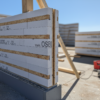
Continuous insulation systems like Osblock insulated formwork can provide excellent thermal performance while simplifying construction details.
Provincial Variations and Additional Requirements
Prince Edward Island:
Follows NBC requirements with additional emphasis on wind resistance due to coastal exposure. Consider higher R-values in exposed locations.
Nova Scotia:
Incorporates NBC minimums with specific requirements for coastal wind zones. Halifax Regional Municipality may have additional energy efficiency requirements.
New Brunswick:
Follows NBC closely but includes specific provisions for northern regions. NB Power offers rebates for exceeding minimum code requirements.
Compliance Strategies and Best Practices
Thermal Bridging Mitigation:
Use continuous insulation strategies to reduce thermal bridging. Advanced framing techniques can improve effective R-values significantly.
Air Sealing Integration:
R-value effectiveness depends heavily on proper air sealing. Continuous air barriers are essential for achieving rated performance.
Moisture Management:
Balance vapor permeability with thermal performance. Proper detailing prevents moisture-related issues that can compromise insulation effectiveness.
Quality Assurance:
Implement inspection protocols to ensure insulation installation meets manufacturer specifications and code requirements.
Financing Energy-Efficient Upgrades
Several programs support exceeding minimum code requirements:
- Canada Greener Homes Grant: Up to $5,000 for insulation upgrades
- ACOA Clean Technology Program: Funding for innovative efficiency solutions
- Innovation PEI Clean Technology: Support for advanced building systems
- NB Power Save Program: Rebates for high-efficiency construction
These programs often require R-values exceeding code minimums, making high-performance insulation systems financially attractive.
Key Takeaways
- Climate zone determines minimum R-value requirements across Atlantic Canada
- Effective R-values account for thermal bridging and require continuous insulation strategies
- Foundation insulation requirements have increased significantly in recent code updates
- Provincial variations exist, with additional requirements for coastal and northern regions
- Financial incentives support exceeding minimum code requirements through various federal and provincial programs
Expert Consultation for Code Compliance
Navigating R-value requirements and building code compliance requires expertise in both thermal performance and local regulations. VY Build Inc specializes in high-performance construction solutions that exceed code minimums while ensuring long-term durability and energy efficiency across Maritime Canada.
Ready to discuss your next energy-efficient project? Contact our team for expert guidance on meeting and exceeding Atlantic Canada's building code requirements.