CarbonTherm + Heat Pump: NS/NB/PEI Rebate Stacking
VY Build no longer supplies CarbonTherm radiant heating. We have kept this article online because the rebate-stacking rules it describes still apply to the heating products we do supply. For current options — heat pumps, ERV/HRV recovery and hybrid hot water — see Heating Systems.
CarbonTherm + Heat Pump: The Atlantic Canada Rebate Stacking Guide (NS / NB / PEI)
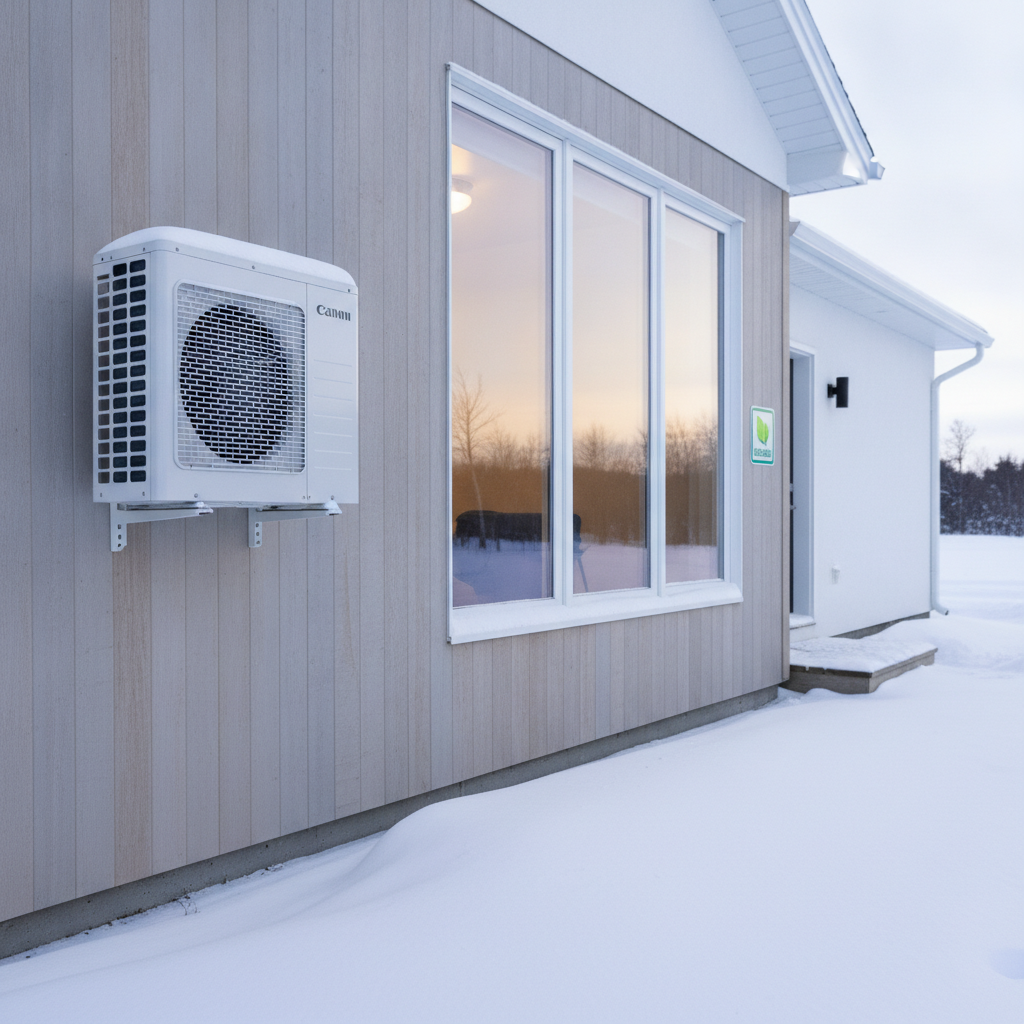
Heat pumps have gone from niche to normal across the Maritimes faster than anywhere else in Canada — and that creates a genuine planning question for homeowners and contractors: if a heat pump is already doing the heavy lifting, where does supplementary radiant heating like CarbonTherm fit, and which rebates still apply in 2026? This guide breaks down the federal and provincial incentive landscape province by province, and explains how to pair a primary heat pump with CarbonTherm radiant heating without leaving money — or comfort — on the table.
Why the Maritimes Lead Canada on Heat Pumps
The scale of adoption here is not a marketing exaggeration — it is documented by Statistics Canada. In its 2021 Households and the Environment Survey, StatCan found that heat pumps were already the most common primary heating method in New Brunswick (32%) and Prince Edward Island (27%), while Nova Scotia split evenly between forced-air furnaces, electric baseboards and heat pumps at 21% each. More recent StatCan figures show that by 2023 the share of New Brunswick households relying on heat pumps as their main heat source had climbed dramatically, with the Maritimes far outpacing the national average of roughly 8%.
That penetration matters for our customers. When a heat pump is your primary system, the practical conversation shifts to backup and supplementary heat for the coldest stretches — and that is exactly the gap a high-efficiency radiant system is designed to fill.
Where CarbonTherm Fits Alongside a Heat Pump
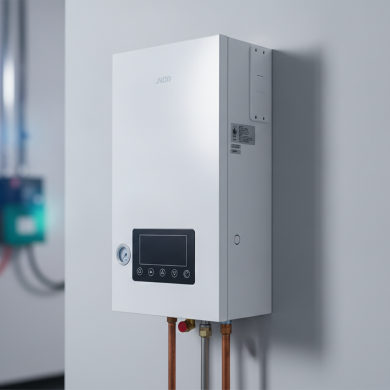
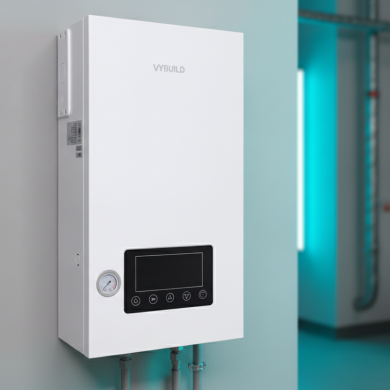
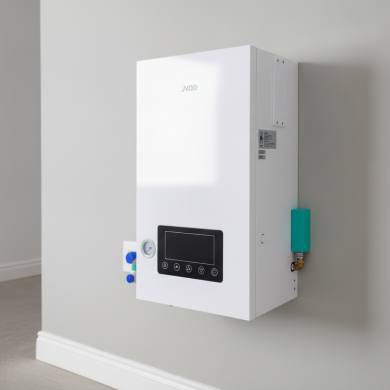
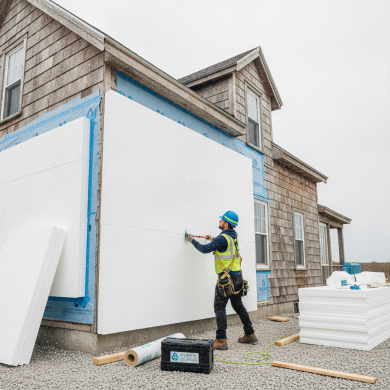
CarbonTherm is our radiant heating technology, engineered to deliver high efficiency as a supplementary or backup heat source. We position it deliberately as a companion to a primary cold-climate heat pump rather than a replacement: the heat pump carries the bulk of the seasonal load, and radiant supplements zones or stretches where you want consistent, draft-free warmth. For net-zero-minded builds — the kind built around a high-R continuous-insulation wall assembly — that layered approach keeps the whole-home heating strategy electric and efficient end to end.
A word on documentation, because it is where applications stall: rebate programs increasingly require equipment to appear on approved efficiency lists and demand clean spec sheets. A supplementary radiant component still needs a clean spec sheet and an approved-list entry to be represented accurately within a broader retrofit file — ask its manufacturer for both before you file.
Nova Scotia: OHPA Is the Anchor, but Funding Is Tight
For Nova Scotia homeowners switching off oil, the Oil to Heat Pump Affordability (OHPA) program is the centrepiece. Per Natural Resources Canada, OHPA provides an upfront payment of up to $10,000 to switch from oil heating to an eligible electric heat pump, and July 31, 2026 is the last day to apply to the federal program.
There is an important caveat for 2026. According to Efficiency Nova Scotia, funding for the Oil to Heat Pump Affordability program was fully allocated as of February 2026, with new applicants added to a standby list — though incentives of up to $10,000 remain available through Moderate Income and Home Energy Assessment rebates. Eligible heat pumps must appear on Efficiency Nova Scotia's "Rebate Eligible Units" list, and the program requires a Certified Energy Advisor assessment before and after installation.
Note also that the broad federal stacking era has narrowed: NRCan confirms the original Canada Greener Homes Grant is closed, with the final documentation deadline having passed on December 31, 2025. So 2026 stacking in Nova Scotia means combining OHPA (or moderate-income rebates) with utility-level support — not the old grant-plus-loan combo.
New Brunswick: OHPA Runs Through SaveEnergyNB
New Brunswick keeps it streamlined. NB Power administers OHPA on behalf of Natural Resources Canada directly through its existing SaveEnergyNB programs, so there is no separate federal registration. Homeowners apply through the program matching their income: the Enhanced Energy Savings Program for combined household income of $70,000 and under (which delivers off-oil upgrades free of charge), or the Total Home Energy Savings Program for incomes above that threshold, where you may be eligible for up to $15,000 in advance funding to switch from oil to a heat pump.
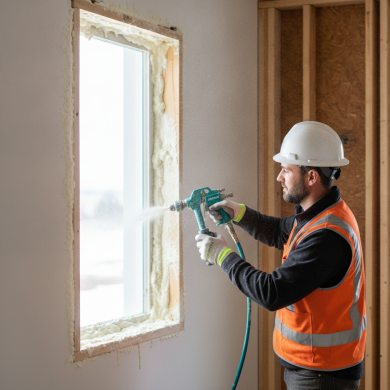
One hard date to circle: per SaveEnergyNB, registrations for OHPA funding close on June 30, 2026. The Total Home Energy Savings Program also rebates broader envelope upgrades — insulation, air sealing, windows and doors — which is where our MB-70HI high-insulation aluminium windows can complement a heating retrofit by tightening the building envelope the heat pump has to work against.
Prince Edward Island: Point-of-Sale Plus Free Heat Pumps
PEI — our home market — remains the most generous on accessibility. The Government of PEI confirms that all PEI homeowners may be eligible for a $1,200 point-of-sale rebate on eligible mini-split heat pumps, applied automatically at purchase, with no energy audit required for the residential equipment rebate. Equipment must be listed to the NEEP cold-climate air-source heat pump (ccASHP) specification and installed by a Network of Excellence contractor.
For lower- and moderate-income Islanders, the free heat pump stream — delivered alongside the federal OHPA framework — has expanded its income ceilings considerably; CBC reporting on the program noted households up to $129,000 net income (for five or more residents) became eligible under OHPA, and the province has stated the $15,000 can apply to a new or secondary heat pump, electrical upgrades, or oil tank removal. That secondary-system allowance is precisely the planning window where a supplementary radiant layer becomes worth modelling.
How to Approach Stacking in 2026
The practical stacking sequence we recommend customers discuss with their certified energy advisor is: (1) confirm OHPA eligibility if you currently heat with oil; (2) layer the relevant provincial rebate — Efficiency Nova Scotia moderate-income rebates, NB's Total Home Energy Savings, or PEI's point-of-sale rebate; (3) treat envelope upgrades as part of the same file to maximize the assessed efficiency gain. Where a supplementary radiant component improves whole-home comfort and keeps the system fully electric, CarbonTherm slots in as the backup tier under the heat pump.
Do your math against the current rate environment, too. The Bank of Canada held its overnight rate at 2.25% on June 10, 2026 — its fifth consecutive pause — which keeps financing for any out-of-pocket portion comparatively stable while these rebate windows remain open.
Key Takeaways
- Heat pumps are already mainstream in the Maritimes — StatCan put NB at 32% and PEI at 27% of households using them as primary heat in 2021, making supplementary/backup heating the smart planning conversation.
- OHPA is the federal anchor — up to $10,000 to switch off oil, with a federal application deadline of July 31, 2026 (NRCan); NB registrations close June 30, 2026 (SaveEnergyNB).
- The old Greener Homes Grant is closed — 2026 stacking means OHPA plus provincial/utility rebates, not the legacy grant-plus-loan combo (NRCan).
- PEI offers a $1,200 automatic point-of-sale rebate on eligible NEEP-listed mini-splits, plus free heat pumps for income-qualified Islanders.
- Pair efficiency with envelope — combining a heat pump and CarbonTherm with tighter windows and insulation strengthens both comfort and your rebate file.
Talk to Us About Your Build
Whether you're designing a net-zero new build or planning a supplementary radiant layer for an existing heat-pump home, our team can help you spec the envelope upgrades that support it. Explore how a complete, high-performance system comes together in our VY 1200-Flex House Kit, or reach out to discuss radiant heating options for your project across PEI, New Brunswick and Nova Scotia.
Rebate amounts, deadlines and eligibility change frequently — always confirm current details with Natural Resources Canada, Efficiency Nova Scotia, SaveEnergyNB, or efficiencyPEI before purchasing equipment.