




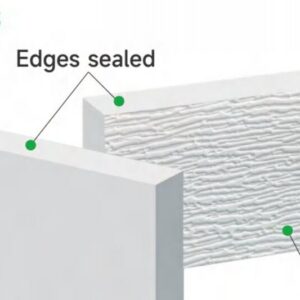
PVC Trimboard 5/8″ x 3 1/2″ x 18′
$27.50
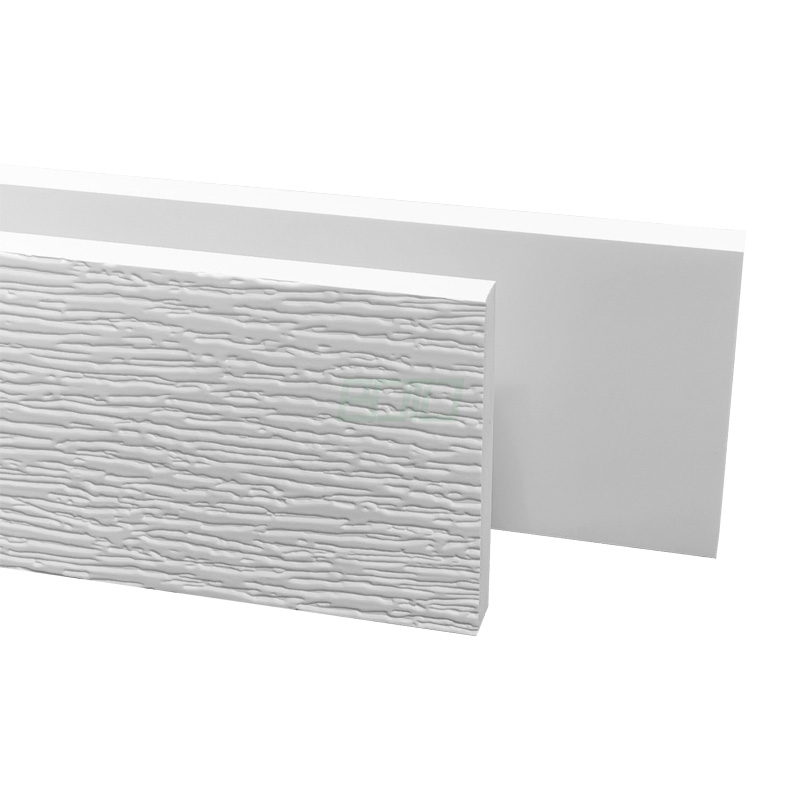
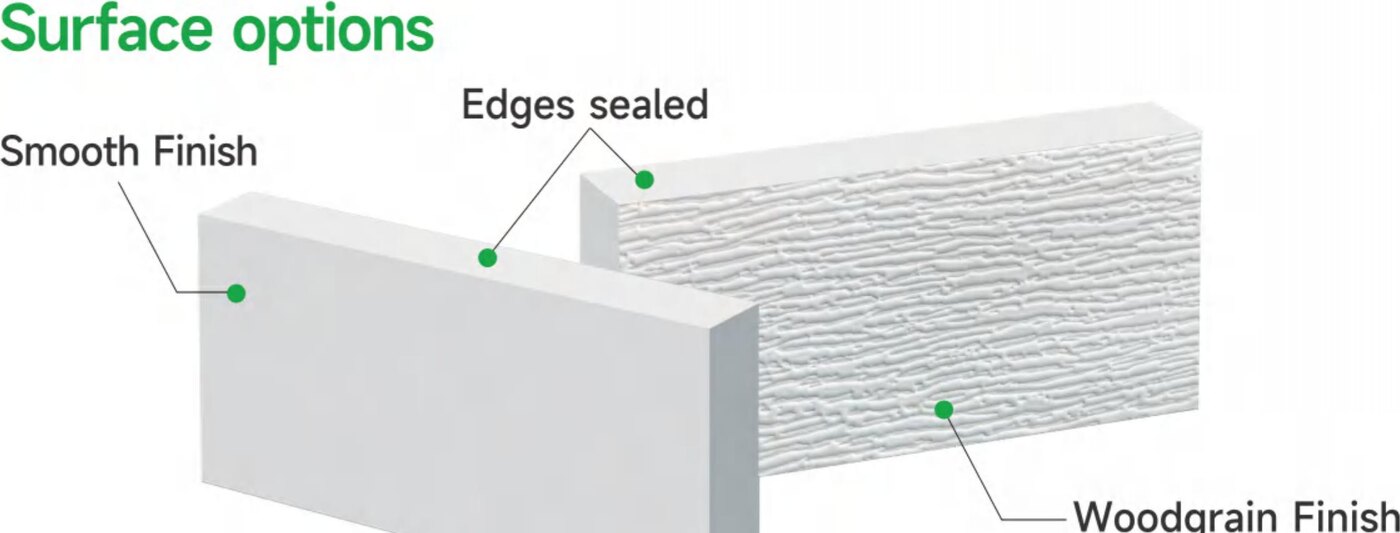
PVC Trimboard 5/8” x 3 1/2” thick 18 feet long smooth on both sides.
They are paintable (please use an Acrylic or Latex Paint only
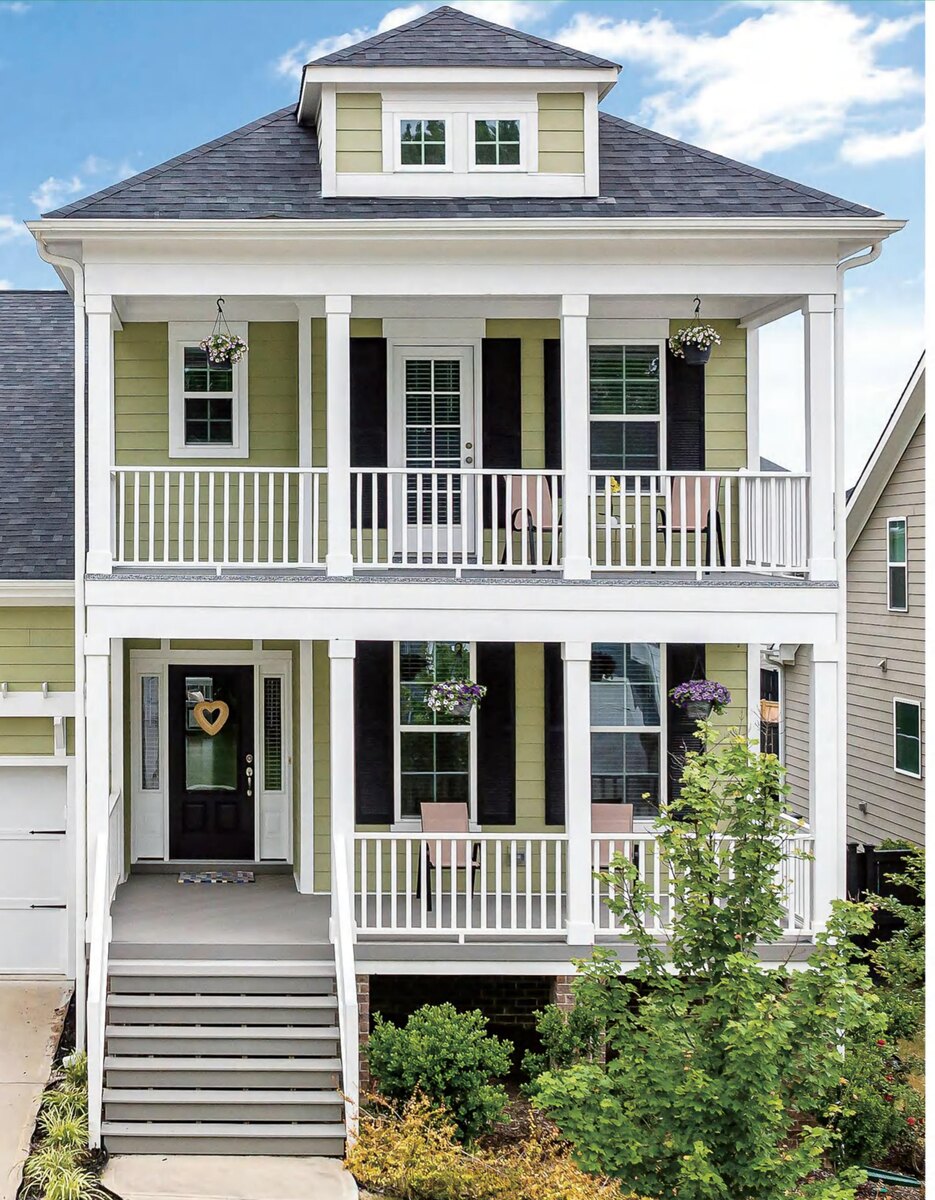
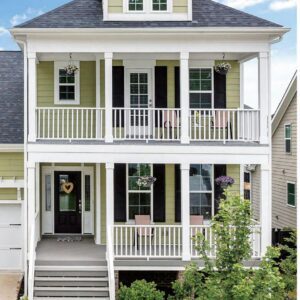
Perfect to use as trim board in-and outside for window casings and other applications in and outside
- Low Maintenance, long-lasting
- Easy to work with, can be cut, nailed, drilled, routed, mitred, glued, painted just like wood, no special tools required
- Water, moisture and termite proof
- No need to be painted, unless desired. When use outdoor, painting is recommended for maintaining color consistency for longer time
- Lifetime never rot, will not swell, split, cup, craze, or delaminate
- Light weight, high-cell density
Corner boards, fascia, rake and window surrounds come in three materials. Painted and up on the wall they look the same. What separates them is what happens at a cut end after a few winters of rain, salt and freeze-thaw.
- What it is
- Finger-jointed softwood, primed at the mill. Wood all the way through.
- What it needs
- Two topcoats on all faces, every cut end sealed before it goes up, and repainting on a cycle.
- What goes first
- The cut ends and the nail holes, where the paint film is thinnest. Water gets behind the primer and the finger joints start to telegraph through.
The cheapest board on the shelf, and honest work as long as somebody keeps it painted. Around here, somebody usually does not.
- What it is
- Closed-cell foamed PVC, the same material right through. Saw it anywhere and the cut face looks like the surface — there is no veneer and no core.
- What it needs
- Nothing for protection. Paint only if you want a colour other than the one you bought, and then 100 % acrylic latex.
- What goes first
- Not rot and not insects — there is no wood fibre in it to rot or to eat. What it does do is move with temperature, so it has to be gapped and fastened properly. The working instructions on this page are not optional reading.
Cellular PVC used to sit at a long premium over paint-grade wood. It does not any more. The difference between the two shows up in year three, not on the invoice.
- What it is
- Cement, sand and cellulose, pressed into board. Dense and heavy.
- What it needs
- Painting like wood, ends sealed, and two people for the long pieces.
- What goes first
- Not the board. The corners chip on site, and cutting it throws silica dust, so it wants a proper blade and a mask.
It will not rot and it will not burn, and in the right job that is worth paying for. It is also the most awkward of the three to work, and the local yards do not keep the trim on the shelf.
Two things none of this changes. Trim is not structural — it carries itself and nothing else, whatever it is made of. And this board is not fire-rated. PVC burns. If a fire rating is in the specification, fibre cement is the answer and we will tell you so rather than sell you this.
Why cellular PVC against wood and fibre cement, the full range in white and black, working instructions, and all three price channels.
Related products




VY Build IC90 Subfloor Construction Foam Adhesive
Price range: $16.80 through $187.95


12000 BTU Cold-Climate Mini Split Heat Pump · SEER2 25 · R-454B
Price range: $1,549.00 through $3,177.00

